Universal vs. CNC Machines: A Comparison
Universal and CNC Machines: A Comparison
Universal and CNC machines are two distinct types of machining equipment widely used in the manufacturing industry. Each has its unique advantages and disadvantages. Understanding the differences and applications of these machines is crucial to determining the most suitable option for your business needs. In this article, we will provide a detailed comparison of universal and CNC machines.
1. Definition and Key Differences
Universal Machines:
Universal machines operate under manual control by an operator. They are versatile and can be used for various tasks, but their production speed and precision depend on the operator's skills. They are often preferred for low-volume and custom jobs.
CNC Machines:
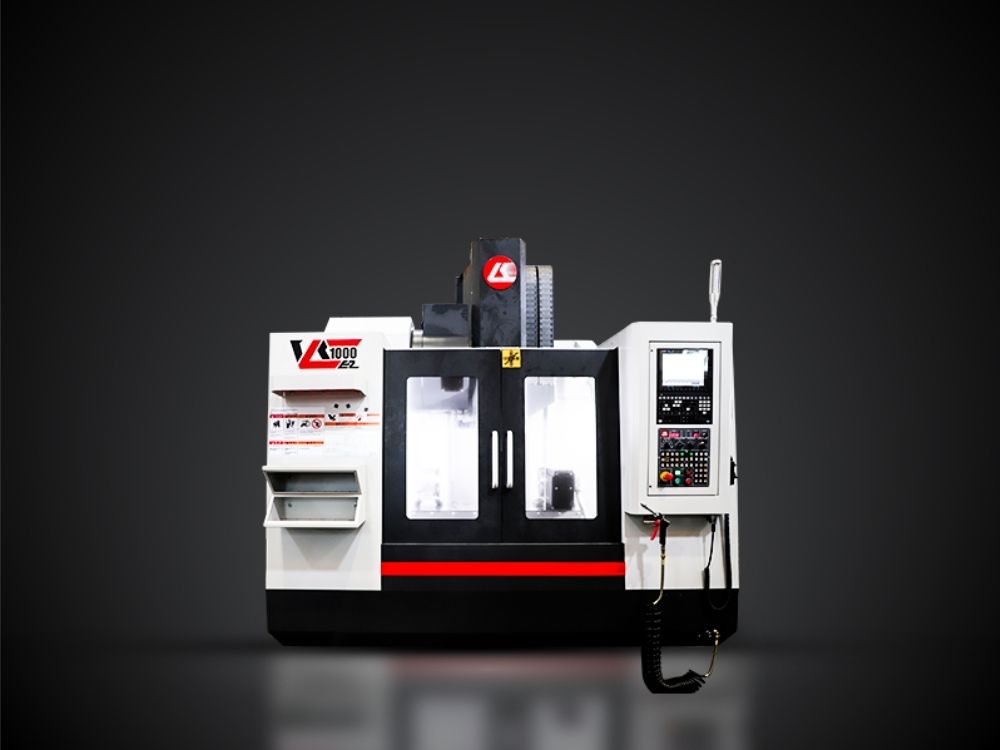
Computer Numerical Control (CNC) machines operate based on pre-programmed instructions. These machines can produce high-precision components quickly, making them ideal for repetitive tasks and complex designs.
2. Precision
-
Universal Machines:
-
Precision varies based on the operator's skill.
-
Suitable for tasks requiring small tolerances.
-
-
CNC Machines:
-
Provides millimeter-level precision.
-
Easily produces complex geometric shapes.
-
3. Production Speed and Efficiency
-
Universal Machines:
-
Operates at a slower pace.
-
Complex and lengthy processes can be time-consuming for the operator.
-
-
CNC Machines:
-
Operates at high speeds due to automation.
-
Can manage multiple processes simultaneously.
-
4. Cost
-
Universal Machines:
-
Lower initial investment.
-
Higher operational costs as experienced personnel are required.
-
-
CNC Machines:
-
Higher initial investment.
-
Long-term cost benefits through automation and high production capacity.
-
5. Applications
-
Universal Machines:
-
Prototype production.
-
Low-volume custom jobs.
-
Training and workshop tasks.
-
-
CNC Machines:
-
Mass production.
-
Tasks requiring high precision.
-
Industries like aerospace, automotive, and medical.
-
6. Operator Requirements
-
Universal Machines:
-
Requires high skill and experience.
-
Continuous monitoring by the operator is necessary during machining.
-
-
CNC Machines:
-
Requires less manual intervention.
-
Operators should be knowledgeable in programming and basic machine maintenance.
-
7. Maintenance and Durability
-
Universal Machines:
-
Lower maintenance costs due to simplicity.
-
Frequent part replacement may be needed with excessive use.
-
-
CNC Machines:
-
Higher maintenance costs due to complexity.
-
Regular maintenance extends the machine's lifespan and enhances performance.
-
Conclusion
Universal and CNC machines are essential equipment serving different needs. If your operations involve low-volume and diverse tasks, universal machines might be more suitable. However, for high precision and fast production, CNC machines are the best choice. Selecting the right machine based on your production needs can provide significant advantages in terms of cost, time, and efficiency.